
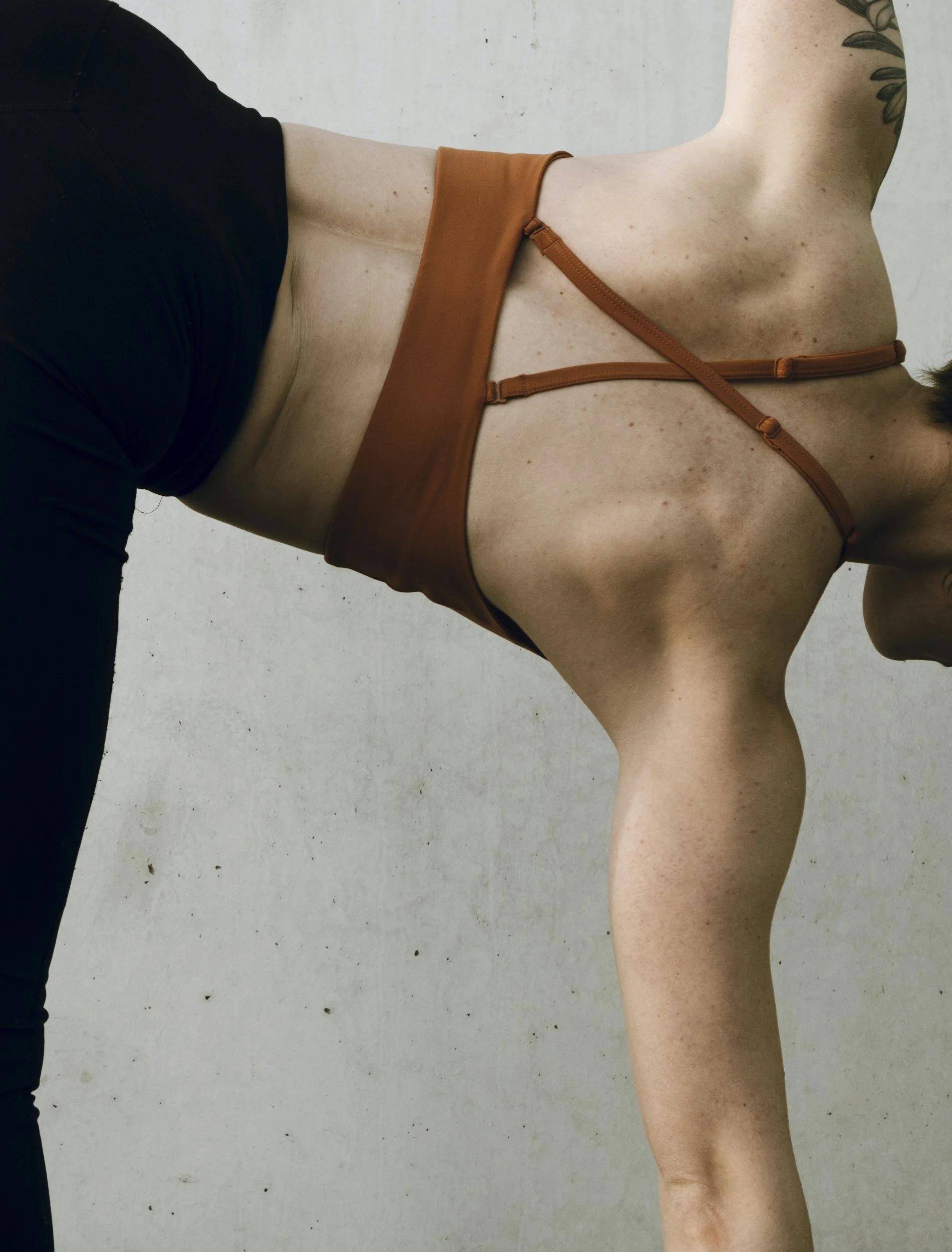
Movement & Somatic Practices
-
(Pranayama, Transformational, Holotropic)
Structured breathing practices designed to shift the nervous system, release emotional holding patterns, and access deeper states of awareness. Pranayama offers grounded, traditional techniques; Transformational and Holotropic approaches go further, often producing significant emotional and somatic release.
-
A creative, expressive modality that uses movement as a path toward emotional processing and self-awareness. Sessions are guided rather than choreographed—no dance experience needed—and often support mood, body image, and a more embodied sense of self.
-
A subtle, neuromuscular re-education practice that uses small, attentive movements to help the brain and body find easier, more efficient patterns. Especially helpful for chronic pain, post-injury recovery, and neuromuscular conditions where traditional exercise feels too much.
-
A precise, controlled form of movement designed to build core strength, postural alignment, and full-body stability. Sessions can be mat-based or equipment-supported, and the work translates directly into easier movement, fewer aches, and better resilience in everyday life.
-
A gentle, exploratory practice that uses slow, intentional movement to help the body release stored tension and regulate the nervous system. Often sought for chronic stress, trauma recovery, and the kind of physical tightness that doesn't respond to traditional stretching.
-
A slow, flowing martial art rooted in centuries of practice, often described as "meditation in motion." Tai Chi supports balance, joint mobility, focus, and a calmer nervous system—making it especially valuable for stress, chronic pain, and aging well.
-
(Hatha, Restorative, Trauma-Informed, Prenatal)
A versatile practice that blends breath, movement, and mindful attention to support strength, flexibility, and emotional regulation. Whether you're drawn to the steady pace of Hatha, the deep release of Restorative, the safety-first approach of Trauma-Informed, or the body-centered care of Prenatal, sessions are tailored to meet you where you are.
-
An ancient Chinese practice that combines slow movement, breath, and focused intention to cultivate and circulate the body's vital energy, or qi. Often used to support stress relief, immune function, joint mobility, and overall vitality—accessible to nearly every age and ability level.
Services & Offerings
Select the name of a service below to learn more about it.
-
(Pranayama, Transformational, Holotropic)
Structured breathing practices designed to shift the nervous system, release emotional holding patterns, and access deeper states of awareness. Pranayama offers grounded, traditional techniques; Transformational and Holotropic approaches go further, often producing significant emotional and somatic release.
-
A creative, expressive modality that uses movement as a path toward emotional processing and self-awareness. Sessions are guided rather than choreographed—no dance experience needed—and often support mood, body image, and a more embodied sense of self.
-
A subtle, neuromuscular re-education practice that uses small, attentive movements to help the brain and body find easier, more efficient patterns. Especially helpful for chronic pain, post-injury recovery, and neuromuscular conditions where traditional exercise feels too much.
-
A precise, controlled form of movement designed to build core strength, postural alignment, and full-body stability. Sessions can be mat-based or equipment-supported, and the work translates directly into easier movement, fewer aches, and better resilience in everyday life.
-
A gentle, exploratory practice that uses slow, intentional movement to help the body release stored tension and regulate the nervous system. Often sought for chronic stress, trauma recovery, and the kind of physical tightness that doesn't respond to traditional stretching.
-
A slow, flowing martial art rooted in centuries of practice, often described as "meditation in motion." Tai Chi supports balance, joint mobility, focus, and a calmer nervous system—making it especially valuable for stress, chronic pain, and aging well.
-
(Hatha, Restorative, Trauma-Informed, Prenatal)
A versatile practice that blends breath, movement, and mindful attention to support strength, flexibility, and emotional regulation. Whether you're drawn to the steady pace of Hatha, the deep release of Restorative, the safety-first approach of Trauma-Informed, or the body-centered care of Prenatal, sessions are tailored to meet you where you are.
-
An ancient Chinese practice that combines slow movement, breath, and focused intention to cultivate and circulate the body's vital energy, or qi. Often used to support stress relief, immune function, joint mobility, and overall vitality—accessible to nearly every age and ability level.
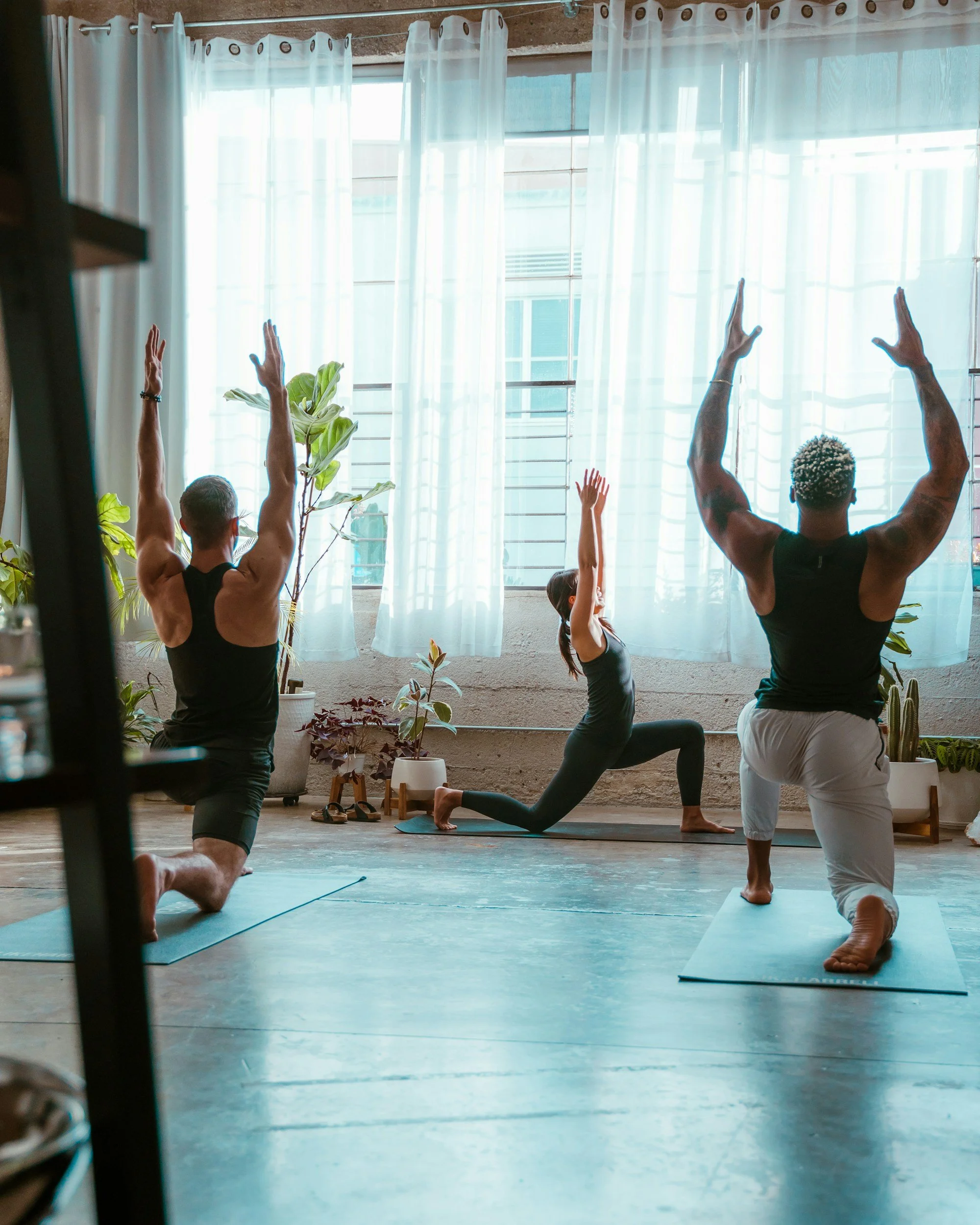
Conditions Addressed
Anxiety & Depression
Body Image
Chronic Fatigue
Chronic Pain
Neuromuscular Conditions
Pregnancy
PTSD & Trauma
… And More

Our Approach to Healing
-

Individual Expertise, Collective Care
Independent wellness professionals, each bringing their unique expertise to your healing journey.
-

Collaborative Care Network
A shared space fostering cross-referrals and a supportive environment where practitioners collaborate for your whole-person wellness.
-

Healing in Community
Our workshops, movement classes like yoga and Qigong, and community gatherings bring people together for education, connection, and collective healing experiences.
Find A Movement & Somatics Practitioner
Find the practitioner whose offerings and treatment methodologies fit for your needs by clicking the link below.
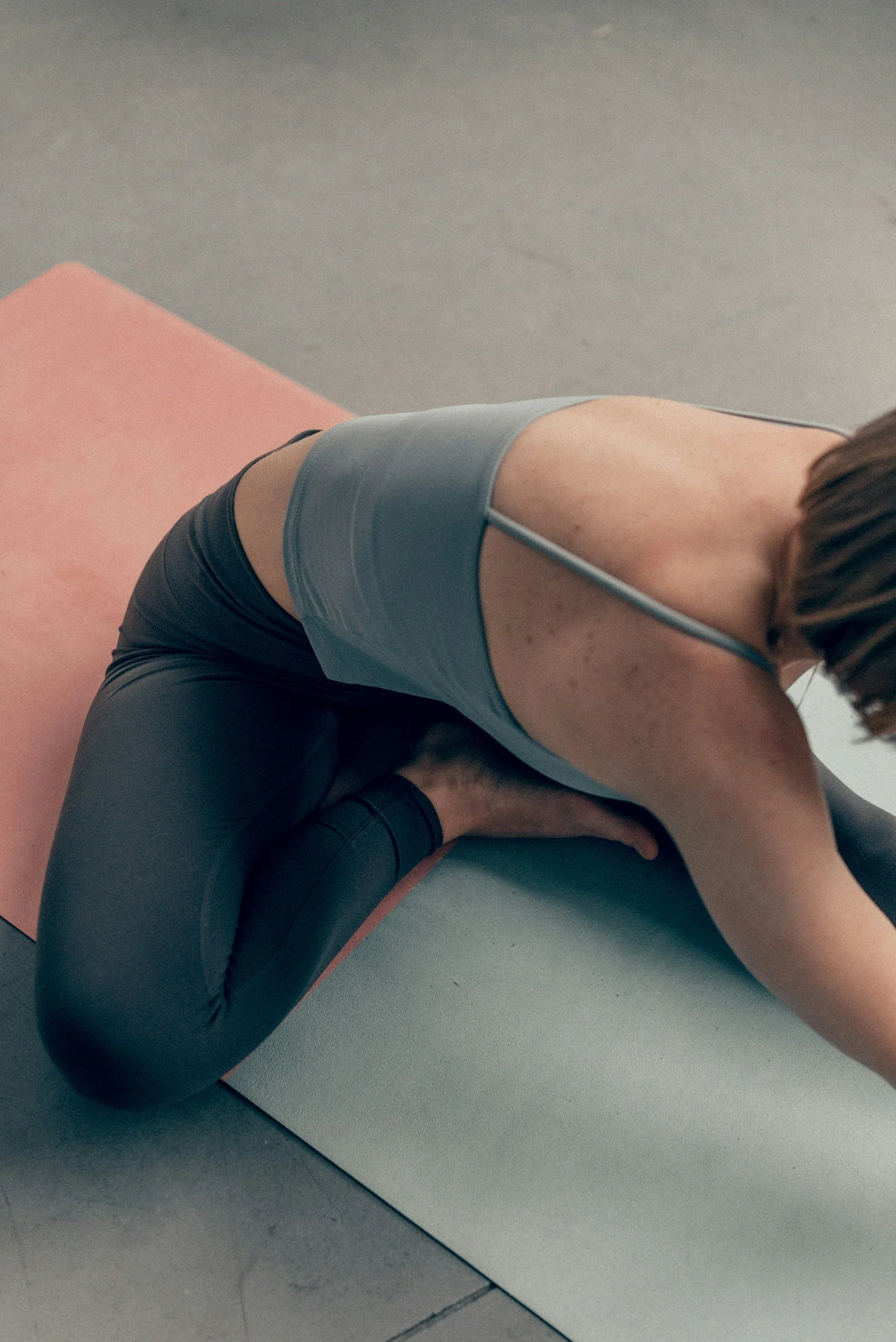
Movement & Somatics Practices
Frequently Asked Questions
-
While each of our independent practitioners brings their own teaching style and structure, a typical first session includes a brief intake about your body history, any injuries or concerns, and what you're hoping to get out of the work. From there, your provider will guide you through movement, breath, or both at a pace that suits you. Because we are a wellness collective, you have the freedom to choose a practitioner whose approach and specialty aligns with your comfort level and goals.
-
No. This is one of the most common hesitations we hear, and it's worth saying clearly: these practices meet you at your current level, not an idealized one. Yoga, Pilates, Tai Chi, and somatic work are all adaptable, and trauma-informed and restorative approaches are specifically designed for people who are healing, recovering, or starting from a place of stiffness, fatigue, or pain. The goal is to build capacity gradually—not to perform.
-
Conventional exercise tends to focus on output—reps, distance, calories, performance. Movement and somatic practices focus on awareness—how you move, what you feel, what your nervous system is doing in the process. Both have their place, but somatic-style work tends to produce gains in areas exercise alone often misses: pain patterns, emotional regulation, posture, breath, and the felt sense of being at home in your body.
-
Yes—this is where movement and somatic work often do their most meaningful work. Practices like trauma-informed yoga, somatic movement therapy, breathwork, and Feldenkrais are designed to engage the nervous system directly, helping the body release patterns it's been holding for years. Many clients find these modalities valuable as a complement to talk therapy or medical care, particularly when symptoms have a strong physical component.
-
This depends on the modality and what you're working toward. For something like Pilates or yoga, a consistent rhythm of one to three sessions per week tends to produce noticeable changes in strength, mobility, and ease within a few weeks. Somatic work, breathwork, and Feldenkrais can produce shifts in a single session, with deeper changes unfolding over time. Your practitioner can offer guidance, but the most sustainable rhythm is the one you can actually keep.
-
That's a reasonable place to begin. Browsing our practitioner profiles is often the easiest first step—each one shares their background, training, and the kinds of clients and concerns they most often work with. If you're drawn to gentler, internally focused work, somatic movement, restorative yoga, or Feldenkrais are good starting points. If you want something more active, Pilates or a Hatha-based yoga class may suit you better. Trust the pull. You can always explore from there.

Ready to Book An Appointment?
The next step is finding the practitioner whose background, approach, and specialties feel like the best fit for your specific needs.