
-
This ultra-gentle, non-invasive modality focuses on the central nervous system by applying light pressure (roughly the weight of a nickel) to the skull, spine, and sacrum. It aims to release deep-seated tension in the connective tissues to improve the flow of cerebrospinal fluid, making it highly effective for relieving migraines, chronic neck pain, and stress-related disorders.
-
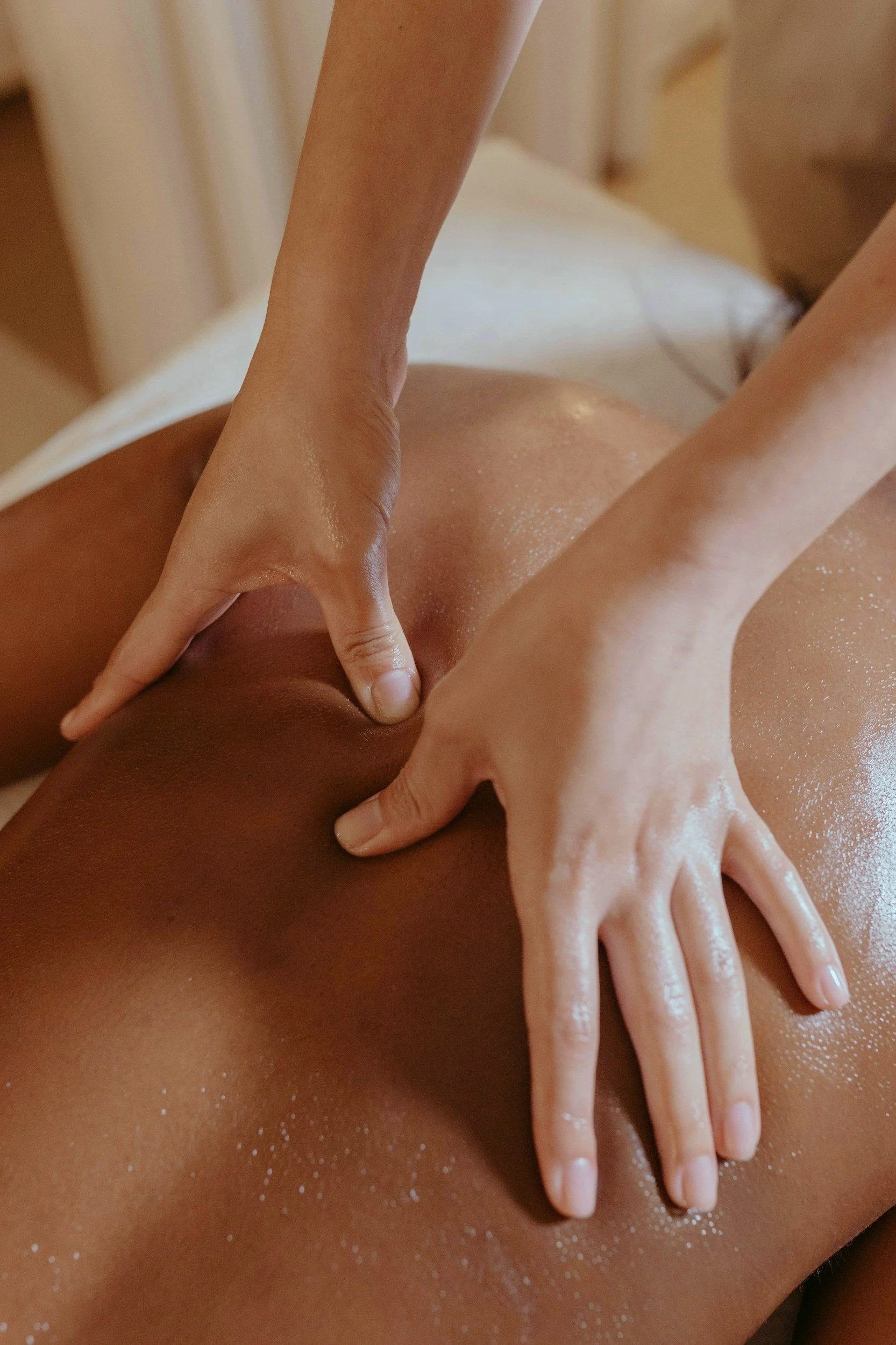
Targeting the innermost layers of muscle and connective tissue, this technique uses slow, firm strokes and intense finger pressure to break up scar tissue and muscle "knots." It is specifically designed to treat chronic aches, localized tension, and stiff necks, helping to restore a full range of motion and reduce inflammation in overworked muscles.
-
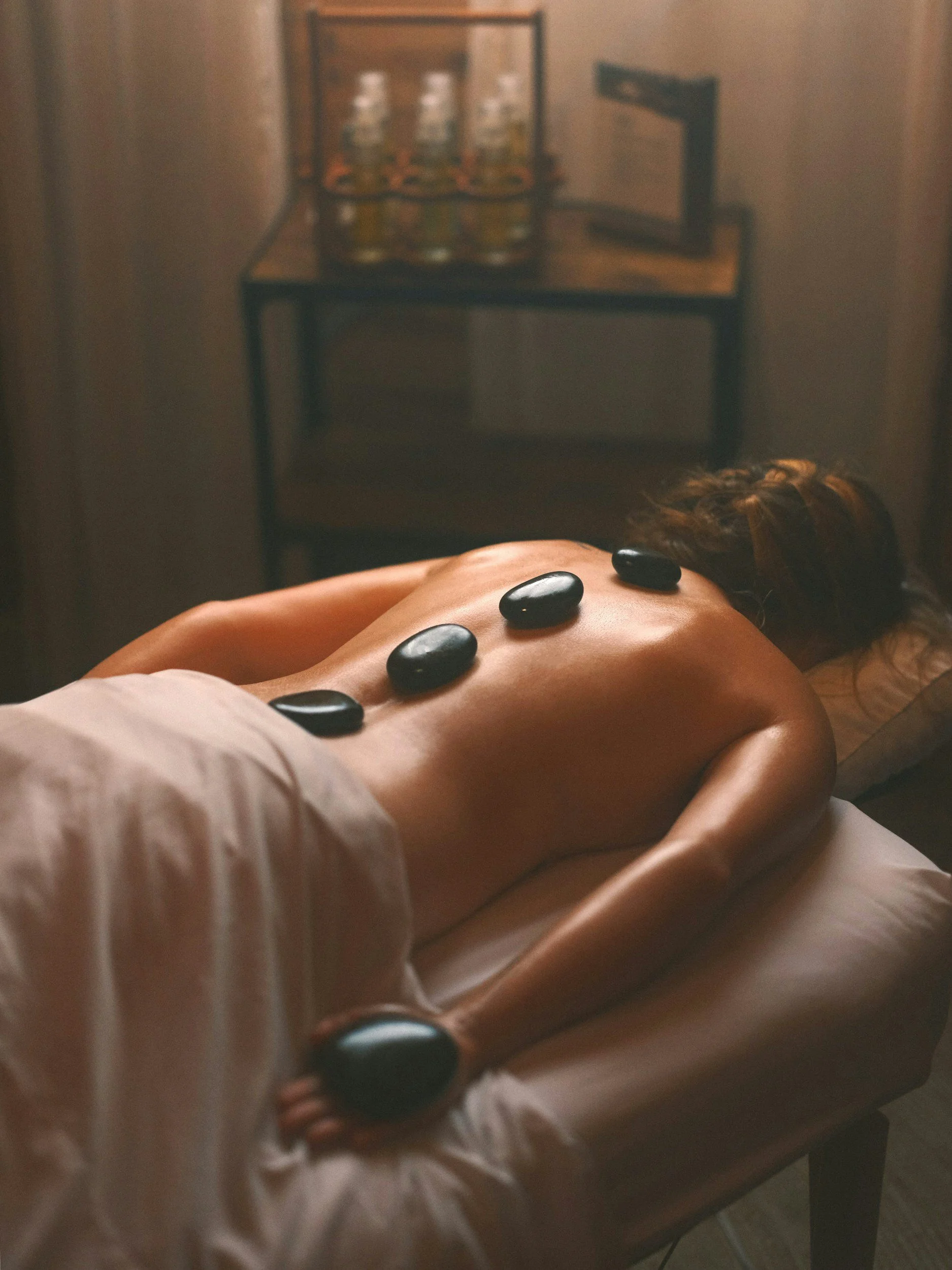
This therapeutic treatment incorporates smooth, heated basalt stones placed on key points of the body and used as extensions of the therapist’s hands. The localized heat deeply penetrates muscle fibers to melt away tension and improve blood circulation, offering a profound level of relaxation that is often more effective than traditional massage alone.
-
A specialized, rhythmic technique that uses very light, circular strokes to stimulate the lymphatic system and encourage the natural drainage of lymph fluid. This modality is frequently used to reduce swelling (edema), detoxify the body, and support post-surgical recovery or immune system health.
-
This manual therapy involves applying gentle, sustained pressure into myofascial connective tissue restrictions to eliminate pain and restore motion. By focusing on the "fascia" (the web-like tissue surrounding muscles), it helps correct postural imbalances and provides long-lasting relief from chronic pain and physical trauma.
-
A highly specialized form of medical massage that uses digital pressure and friction to release trigger points and improve nervous system function. It addresses the underlying causes of chronic pain by balancing the central nervous system with the musculoskeletal system, making it ideal for treating sciatica, carpal tunnel, and sports injuries.
-
Tailored specifically to the needs of expecting mothers, this modality uses supportive positioning and mild techniques to alleviate the physical discomforts of pregnancy. It focuses on reducing lower back pain, decreasing arm and leg swelling, and lowering anxiety and stress to support both maternal and fetal well-being.
-
Based on the principle that specific points on the feet, hands, and ears correspond to different organs and systems, this therapy applies targeted pressure to these "reflex zones." It is used to promote overall homeostasis, improve circulation, and stimulate the body’s internal healing mechanisms without direct manipulation of the entire body.
-
Designed for athletes of all levels, this vigorous modality combines stretching, compression, and friction to enhance athletic performance and recovery. It is strategically used pre-event to improve flexibility or post-event to reduce muscle soreness and prevent potential injuries.
-
Often associated with "Rolfing," this process-driven modality focuses on the body's relationship with gravity by manipulating the myofascial system. It aims to systematically realign the entire body structure over several sessions, leading to improved posture, breathing, and energy levels.
-
The most common form of massage, utilizing five main strokes—effleurage, petrissage, friction, tapotement, and vibration—to relax the entire body. It primarily targets the superficial layers of muscle to increase oxygen flow in the blood and decrease toxins, making it the "gold standard" for general stress relief.
-
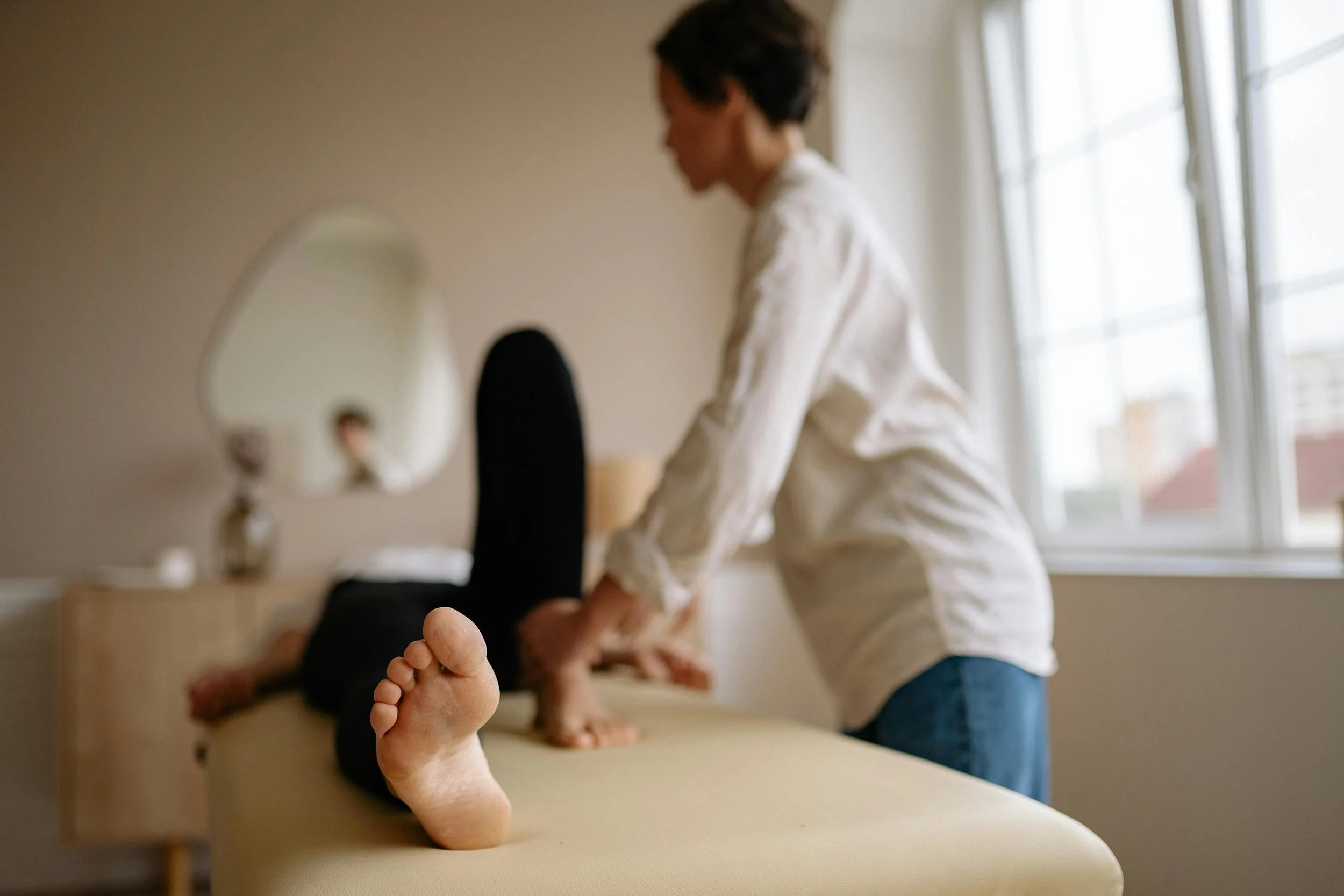
Often described as "lazy man's yoga," this ancient modality involves the therapist moving the client into a series of yoga-like stretches combined with rhythmic muscle compression. It focuses on clearing energy blockages and improving flexibility and joint mobility while the client remains fully clothed.
-
This ultra-gentle, non-invasive modality focuses on the central nervous system by applying light pressure (roughly the weight of a nickel) to the skull, spine, and sacrum. It aims to release deep-seated tension in the connective tissues to improve the flow of cerebrospinal fluid, making it highly effective for relieving migraines, chronic neck pain, and stress-related disorders.
-
Targeting the innermost layers of muscle and connective tissue, this technique uses slow, firm strokes and intense finger pressure to break up scar tissue and muscle "knots." It is specifically designed to treat chronic aches, localized tension, and stiff necks, helping to restore a full range of motion and reduce inflammation in overworked muscles.
-
This therapeutic treatment incorporates smooth, heated basalt stones placed on key points of the body and used as extensions of the therapist’s hands. The localized heat deeply penetrates muscle fibers to melt away tension and improve blood circulation, offering a profound level of relaxation that is often more effective than traditional massage alone.
-
A specialized, rhythmic technique that uses very light, circular strokes to stimulate the lymphatic system and encourage the natural drainage of lymph fluid. This modality is frequently used to reduce swelling (edema), detoxify the body, and support post-surgical recovery or immune system health.
-
This manual therapy involves applying gentle, sustained pressure into myofascial connective tissue restrictions to eliminate pain and restore motion. By focusing on the "fascia" (the web-like tissue surrounding muscles), it helps correct postural imbalances and provides long-lasting relief from chronic pain and physical trauma.
-
A highly specialized form of medical massage that uses digital pressure and friction to release trigger points and improve nervous system function. It addresses the underlying causes of chronic pain by balancing the central nervous system with the musculoskeletal system, making it ideal for treating sciatica, carpal tunnel, and sports injuries.
-
Tailored specifically to the needs of expecting mothers, this modality uses supportive positioning and mild techniques to alleviate the physical discomforts of pregnancy. It focuses on reducing lower back pain, decreasing arm and leg swelling, and lowering anxiety and stress to support both maternal and fetal well-being.
-
Based on the principle that specific points on the feet, hands, and ears correspond to different organs and systems, this therapy applies targeted pressure to these "reflex zones." It is used to promote overall homeostasis, improve circulation, and stimulate the body’s internal healing mechanisms without direct manipulation of the entire body.
-
Designed for athletes of all levels, this vigorous modality combines stretching, compression, and friction to enhance athletic performance and recovery. It is strategically used pre-event to improve flexibility or post-event to reduce muscle soreness and prevent potential injuries.
-
Often associated with "Rolfing," this process-driven modality focuses on the body's relationship with gravity by manipulating the myofascial system. It aims to systematically realign the entire body structure over several sessions, leading to improved posture, breathing, and energy levels.
-
The most common form of massage, utilizing five main strokes—effleurage, petrissage, friction, tapotement, and vibration—to relax the entire body. It primarily targets the superficial layers of muscle to increase oxygen flow in the blood and decrease toxins, making it the "gold standard" for general stress relief.
-
Often described as "lazy man's yoga," this ancient modality involves the therapist moving the client into a series of yoga-like stretches combined with rhythmic muscle compression. It focuses on clearing energy blockages and improving flexibility and joint mobility while the client remains fully clothed.
Services & Offerings
Select the name of a service below to learn more about it.
Conditions Addressed
Chronic pain
Back & neck pain
Fibromyalgia
Sports injuries
Prenatal discomfort
Lymphedema
Stress & tension
Headaches & migraines
… and more

Our Approach to Healing
-

Individual Expertise, Collective Care
Independent wellness professionals, each bringing their unique expertise to your healing journey.
-

Collaborative Care Network
A shared space fostering cross-referrals and a supportive environment where practitioners collaborate for your whole-person wellness.
-

Healing in Community
Our workshops, movement classes like yoga and Qigong, and community gatherings bring people together for education, connection, and collective healing experiences.
Find a Bodywork & manual Therapy Practitioner
Find the practitioner whose offerings and treatment methodologies fit for your needs by clicking the link below.
Frequently Asked Questions
-
Because our collective features a diverse range of independent practitioners, you have access to everything from relaxation-focused Swedish Massage to clinical Structural Integration. If you are dealing with chronic pain, a modality like Neuromuscular Therapy or Myofascial Release may be best. For those seeking stress reduction, Hot Stone or Craniosacral Therapy are excellent choices. We recommend browsing our provider bios to see which practitioner's specific specialties and routine align with your wellness goals.
-
Not at all. While these therapies target the deeper layers of muscle and fascia, our practitioners prioritize effective communication and "melting" into the tissue rather than forcing it. You may experience some therapeutic discomfort as trigger points are released, but the goal is always to stay within your "good hurt" range. Since each therapist in our collective has their own manual style, they will check in with you regularly to ensure the pressure is restorative, not painful.
-
Unlike a traditional Swedish or Deep Tissue massage that manipulates muscle, Lymphatic Drainage is a specialized, light-touch technique that specifically targets the lymphatic system. It uses rhythmic strokes to move fluid and support detoxification and immune health. This is a highly technical modality, and our providers who offer it often follow specific clinical protocols tailored to post-surgical recovery or chronic swelling.
-
This depends entirely on the modality and your provider’s individual routine. For Thai Massage or Craniosacral Therapy, you will typically remain fully clothed in loose, comfortable attire. For traditional oil-based massages like Swedish or Prenatal, you will be professionally draped with a sheet or towel for privacy. Your practitioner will provide specific instructions before your session to ensure you feel completely comfortable and secure.
-
Yes. Modalities like Structural Integration and Myofascial Release are specifically designed to address the fascial system that holds your body in its habitual patterns. By releasing long-standing tensions, these treatments help improve postural alignment and functional mobility. Because our collective houses experts in various manual therapies, you can work with a practitioner to develop a customized plan that moves you toward a more balanced, pain-free structure.
bodywork & manual therapy

Ready to Book an Appointment?
The next step is finding the practitioner whose background, approach, and specialties feel like the best fit for your specific needs.