Yoga & Somatic Practices
This ultra-gentle, non-invasive modality focuses on the central nervous system by applying light pressure (roughly the weight of a nickel) to the skull, spine, and sacrum. It aims to release deep-seated tension in the connective tissues to improve the flow of cerebrospinal fluid, making it highly effective for relieving migraines, chronic neck pain, and stress-related disorders.
Targeting the innermost layers of muscle and connective tissue, this technique uses slow, firm strokes and intense finger pressure to break up scar tissue and muscle "knots." It is specifically designed to treat chronic aches, localized tension, and stiff necks, helping to restore a full range of motion and reduce inflammation in overworked muscles.
This therapeutic treatment incorporates smooth, heated basalt stones placed on key points of the body and used as extensions of the therapist's hands. The localized heat deeply penetrates muscle fibers to melt away tension and improve blood circulation , offering a profound level of relaxation that is often more effective than traditional massage alone.
A specialized, rhythmic technique that uses very light, circular strokes to stimulate the lymphatic system and encourage the natural drainage of lymph fluid. This modality is frequently used to reduce swelling (edema) , detoxify the body, and support post-surgical recovery or immune system health.
This manual therapy involves applying gentle, sustained pressure into myofascial connective tissue restrictions to eliminate pain and restore motion. By focusing on the "fascia" (the web-like tissue surrounding muscles), it helps correct postural imbalances and provides long-lasting relief from chronic pain and physical trauma .
A highly specialized form of medical massage that uses digital pressure and friction to release trigger points and improve nervous system function. It addresses the underlying causes of chronic pain by balancing the central nervous system with the musculoskeletal system, making it ideal for treating sciatica, carpal tunnel, and sports injuries.
Tailored specifically to the needs of expecting mothers, this modality uses supportive positioning and mild techniques to alleviate the physical discomforts of pregnancy . It focuses on reducing lower back pain, decreasing arm and leg swelling, and lowering anxiety and stress to support both maternal and fetal well-being.
Based on the principle that specific points on the feet, hands, and ears correspond to different organs and systems, this therapy applies targeted pressure to these "reflex zones." It is used to promote overall homeostasis , improve circulation, and stimulate the body's internal healing mechanisms without direct manipulation of the entire body.
Designed for athletes of all levels, this vigorous modality combines stretching, compression, and friction to enhance athletic performance and recovery . It is strategically used pre-event to improve flexibility or post-event to reduce muscle soreness and prevent potential injuries.
Often associated with "Rolfing," this process-driven modality focuses on the body's relationship with gravity by manipulating the myofascial system. It aims to systematically realign the entire body structure over several sessions, leading to improved posture, breathing, and energy levels .
The most common form of massage, utilizing five main strokes— effleurage, petrissage, friction, tapotement, and vibration —to relax the entire body. It primarily targets the superficial layers of muscle to increase oxygen flow in the blood and decrease toxins , making it the "gold standard" for general stress relief.
Often described as "lazy man's yoga," this ancient modality involves the therapist moving the client into a series of yoga-like stretches combined with rhythmic muscle compression. It focuses on clearing energy blockages and improving flexibility and joint mobility while the client remains fully clothed.
Calibrated tuning forks deliver targeted vibrational frequencies to specific points on or around the body. This subtle modality helps release tension, ease emotional blockages, and bring the nervous system back to balance.
A collaborative, goal-oriented process empowering clients to achieve lasting wellness transformations through habit change. Provides accountability and evidence-based guidance to improve nutrition, fitness, and sleep.
Integrates ancient wisdom with modern science using a client's "energetic blueprint" to guide personal and professional growth. Teaches individuals how to make decisions and navigate the world in alignment with their unique nature.
Involves therapist-assisted stretches and rhythmic muscle compression to clear energy blockages, restore nervous system regulation, and process emotions through the physical body while remaining fully clothed.
Prioritizes psychological safety and an understanding of how past trauma impacts current behavior and mindset. Focuses on empowerment and choice to ensure a collaborative process that avoids re-traumatization while building a future-oriented path to recovery.
Services & Offerings
Select the name of a service below to learn more about it.
Breathwork
Conscious, controlled breathing practices used to calm the nervous system, release stress, and increase mind-body awareness.
Dance & Movement Therapy
Expressive movement techniques designed to promote emotional, cognitive, physical, and social integration.
Feldenkrais Method
A gentle educational system that uses somatic movement to improve flexibility, posture, and self-awareness by retraining neuromuscular pathways.
Pilates
Core-focused physical exercise aiming to improve alignment, strength, flexibility, and overall movement control.
Somatic Movement Therapy
Guided movement techniques focused on internal bodily perception, nervous system regulation, and releasing physical tension or trauma.
Tai Chi
A graceful, low-impact form of internal Chinese martial art practicing slow, mindful movements paired with deep breathing.
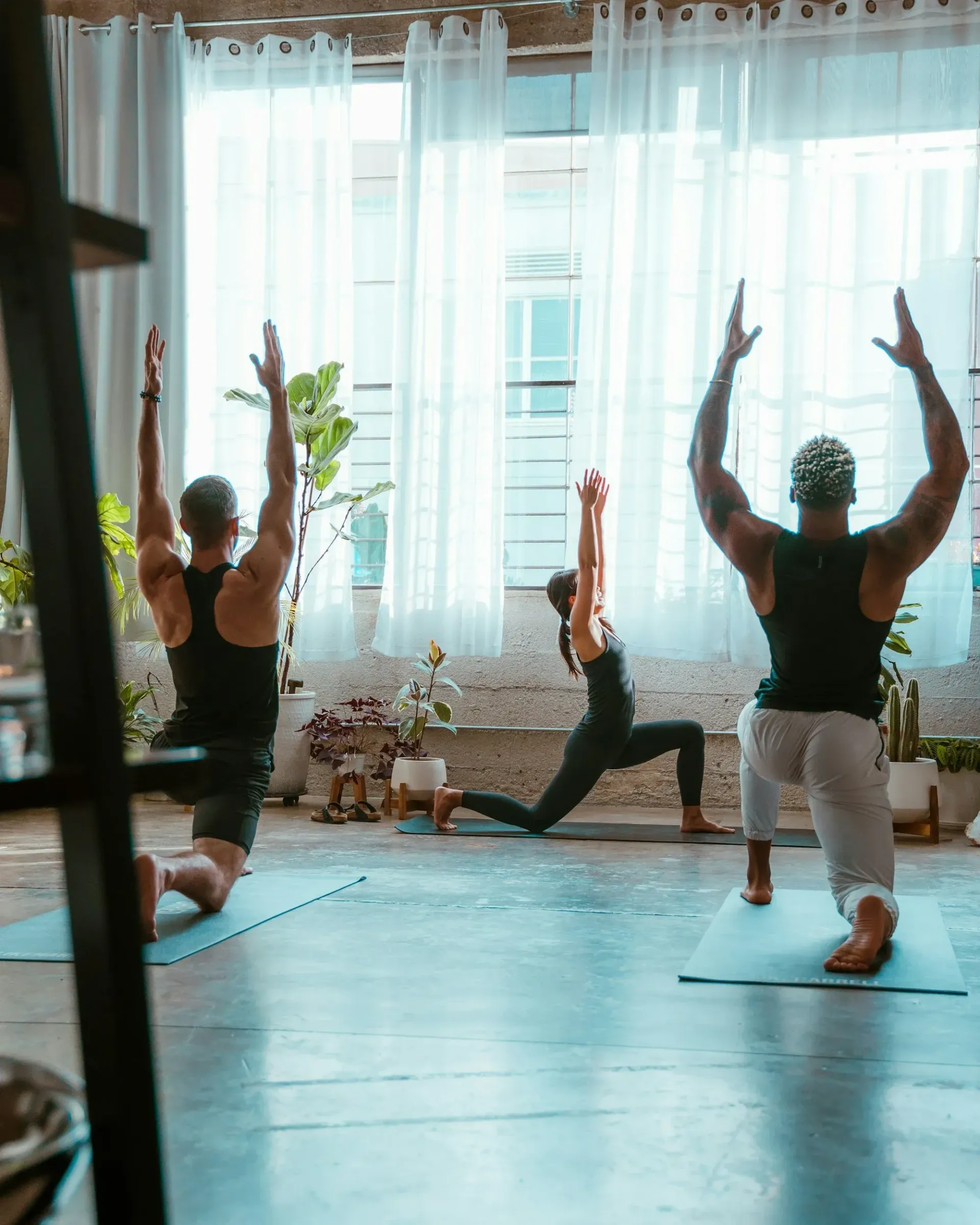
Yoga
Mindful movement, physical postures (asanas), and breath regulation practiced to enhance strength, flexibility, mental clarity, and relaxation.
Qigong
An ancient Chinese system of coordinated body postures, movement, breathing, and meditation used for health and energy balance.
Conditions Addressed
Anxiety & Depression
Body Image
Chronic Fatigue
Chronic Pain
Neuromuscular Conditions
Pregnancy
PTSD & Trauma
… and more
Our Approach to Healing
Individual Expertise, Collective Care
Independent wellness professionals, each bringing their unique expertise to your healing journey.
Collaborative Care Network
A shared space fostering cross-referrals and a supportive environment where practitioners collaborate for your whole-person wellness.
Healing in Community
Our workshops, movement classes like yoga and Qigong, and community gatherings bring people together for education, connection, and collective healing experiences.
Find a Yoga & Somatic Practices Practitioner
Find the practitioner whose offerings and treatment methodologies fit for your needs by clicking the link below.

Services Offered
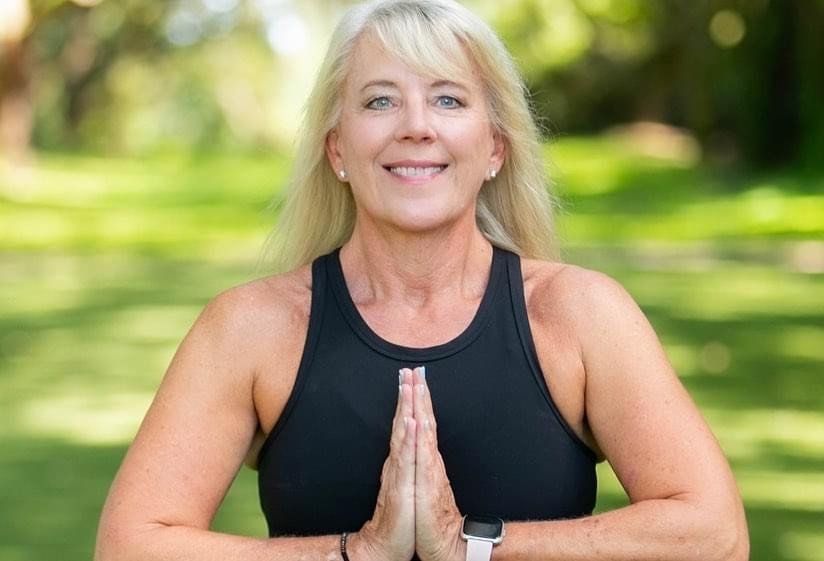
• Hatha Yoga Classes
Select "View Profile" to view full service list.
Services Offered
• Breathwork (Pranayama)
• Health Coaching
• Pilates
Select "View Profile" to view full service list.
Services Offered
Select "View Profile" to view full service list.
Practitioners operating within the collective generally work as independent providers and often operate on a direct-pay or cash-based model. Some services or lab work may be eligible for reimbursement through Health Savings Accounts (HSA), Flexible Spending Accounts (FSA), or superbills submitted directly to insurance companies.
Yoga & Somatic Practices
Frequently Asked Questions & Answers
What Should I Expect During My First Movement Or Somatic Session?
While each of our independent practitioners brings their own teaching style and structure, a typical first session includes a brief intake about your body history, any injuries or concerns, and what you're hoping to get out of the work. From there, your provider will guide you through movement, breath, or both at a pace that suits you. Because we are a wellness collective, you have the freedom to choose a practitioner whose approach and specialty aligns with your comfort level and goals.
Do I Need To Be Flexible Or In Shape To Start?
No, not at all! Movement and somatic practices are designed to meet your body exactly where it is. Practices can be modified for all fitness levels, ages, and mobility ranges.
What's The Difference Between Movement Practices And Regular Exercise?
While traditional exercise often focuses on physical output, strength, or calorie expenditure, movement and somatic practices focus on internal awareness, body alignment, nervous system regulation, and mindful presence.
Can These Practices Help With Anxiety, Trauma, Or Chronic Pain?
Yes. Somatic and mindful movement practices work directly with the nervous system to help release stored stress and physical tension, making them highly effective tools for managing anxiety, trauma, and chronic pain.
How Often Should I Practice To See Results?
Even a small amount of consistent practice can produce noticeable benefits. Many clients find that attending 1 to 3 sessions per week helps maintain physical ease and mental clarity.
What If I'm Not Sure Which Practice Is Right For Me?
You can explore individual practitioner profiles or reach out for a consultation. Providers can help match you with the modality—whether it's Yoga, Qigong, Pilates, or Somatic Therapy—that best fits your personal goals.

Ready to Book an Appointment?
The next step is finding the practitioner whose background, approach, and specialties feel like the best fit for your specific needs.